

Where most people begin
Practical Philosophy 1: Wisdom
How much of what you do is habit? Ten weeks on the questions that decide a life: how we know, how we should live, and what it means to pay attention.
In personOnline
Most run for around ten weeks, at a time that suits you, in London or online. Begin where you are, and stay for as long as it serves.
How much of what you do is habit? Ten weeks on the questions that decide a life: how we know, how we should live, and what it means to pay attention.
What is an economy for? An introduction to economic thought grounded in justice, stewardship, and the common good.
Specialist courses, each on its own subject, from Sanskrit and poetry to Stoic philosophy and sacred geometry. Many continue over several terms, and all are open to newcomers and continuing students alike.
Already studying with us? Find your next course
Three voices from people who have studied with the School.
The School is gently encouraging people towards their awakening.
Nearly twenty years of attending, and it has improved my life significantly.
This Economics and Justice course was truly transformative.
Service means giving time freely, without seeking reward, from tutoring to the everyday work that keeps the School running. A short film from students on what it gives, and what it asks.
Enquiry, practice, community, and justice. One journey, entered from any direction.
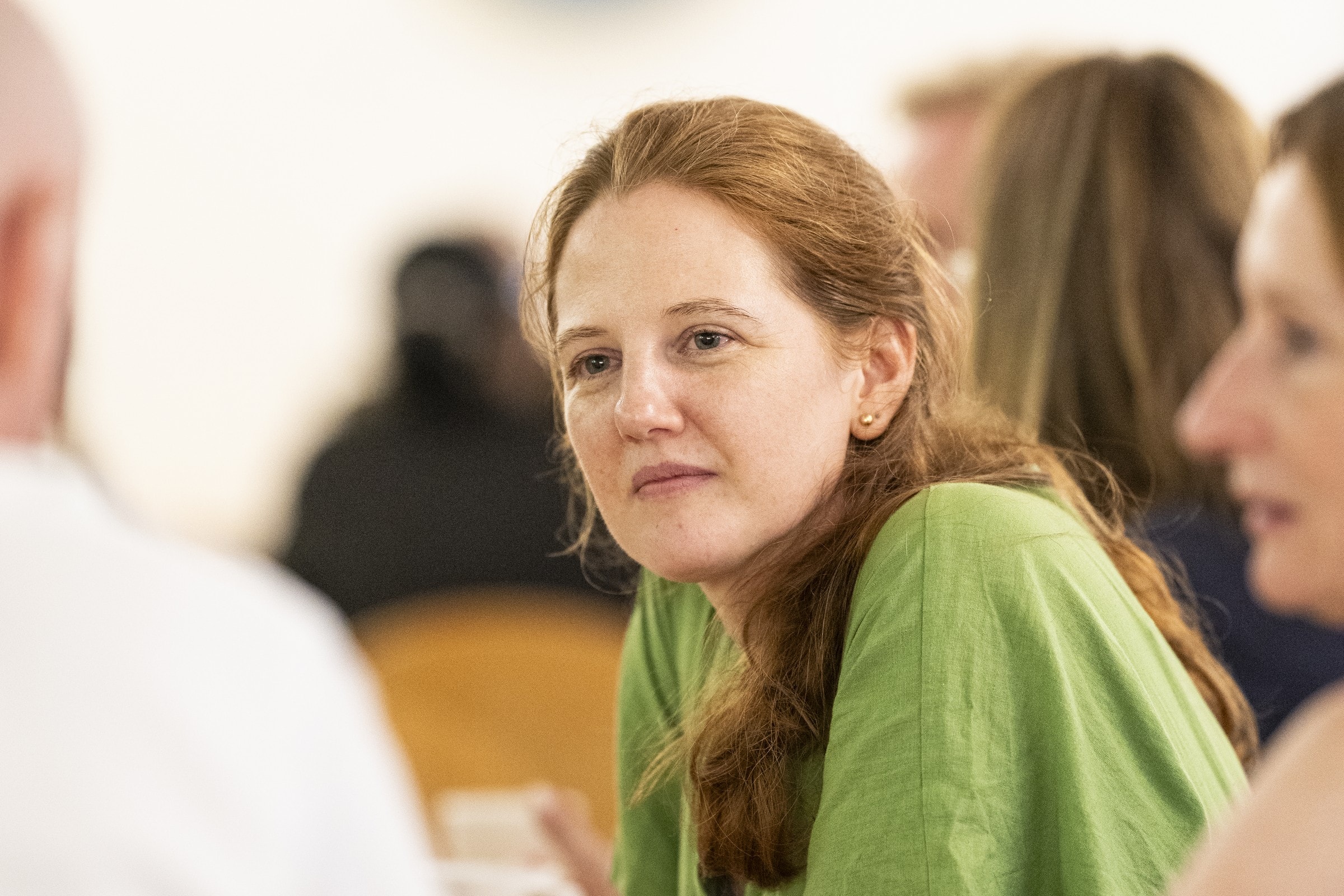
Practical philosophy studied, practised, and lived for nearly 90 years
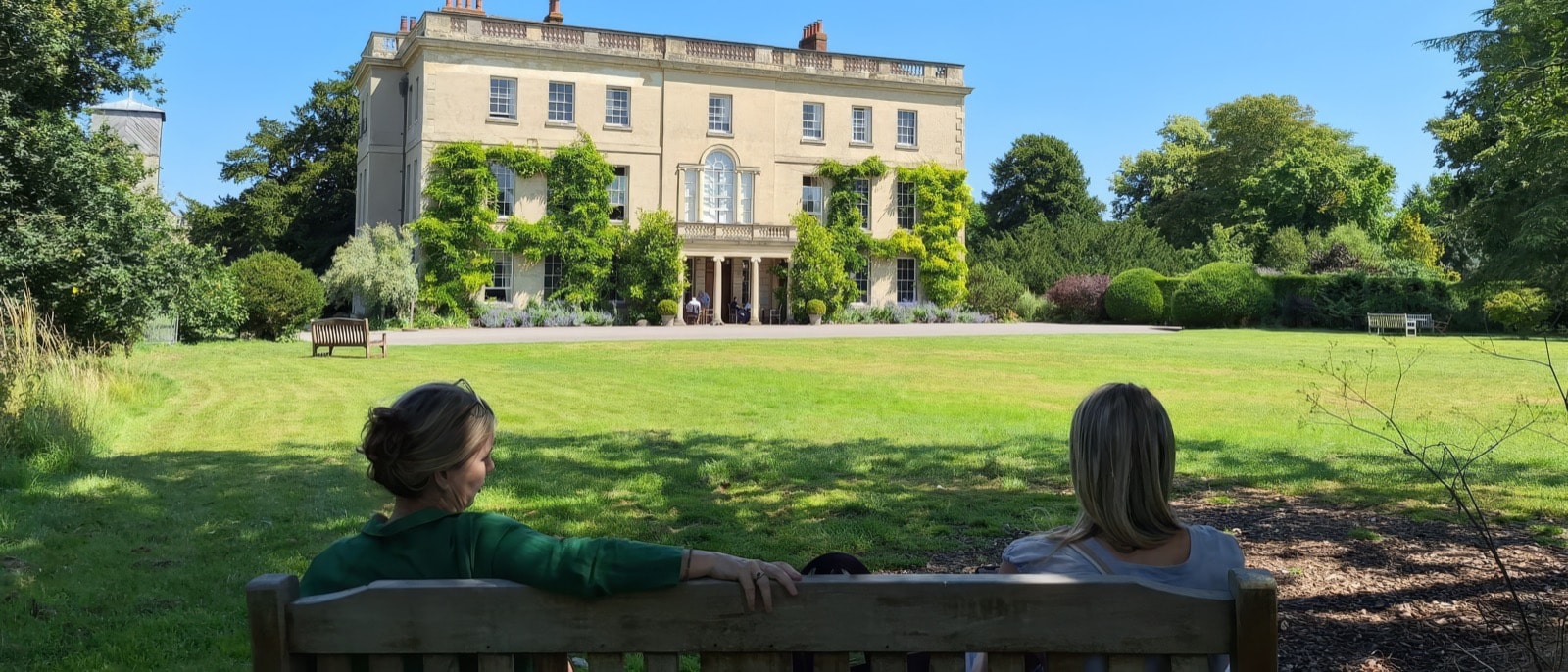
Valuing real-life experience over theory
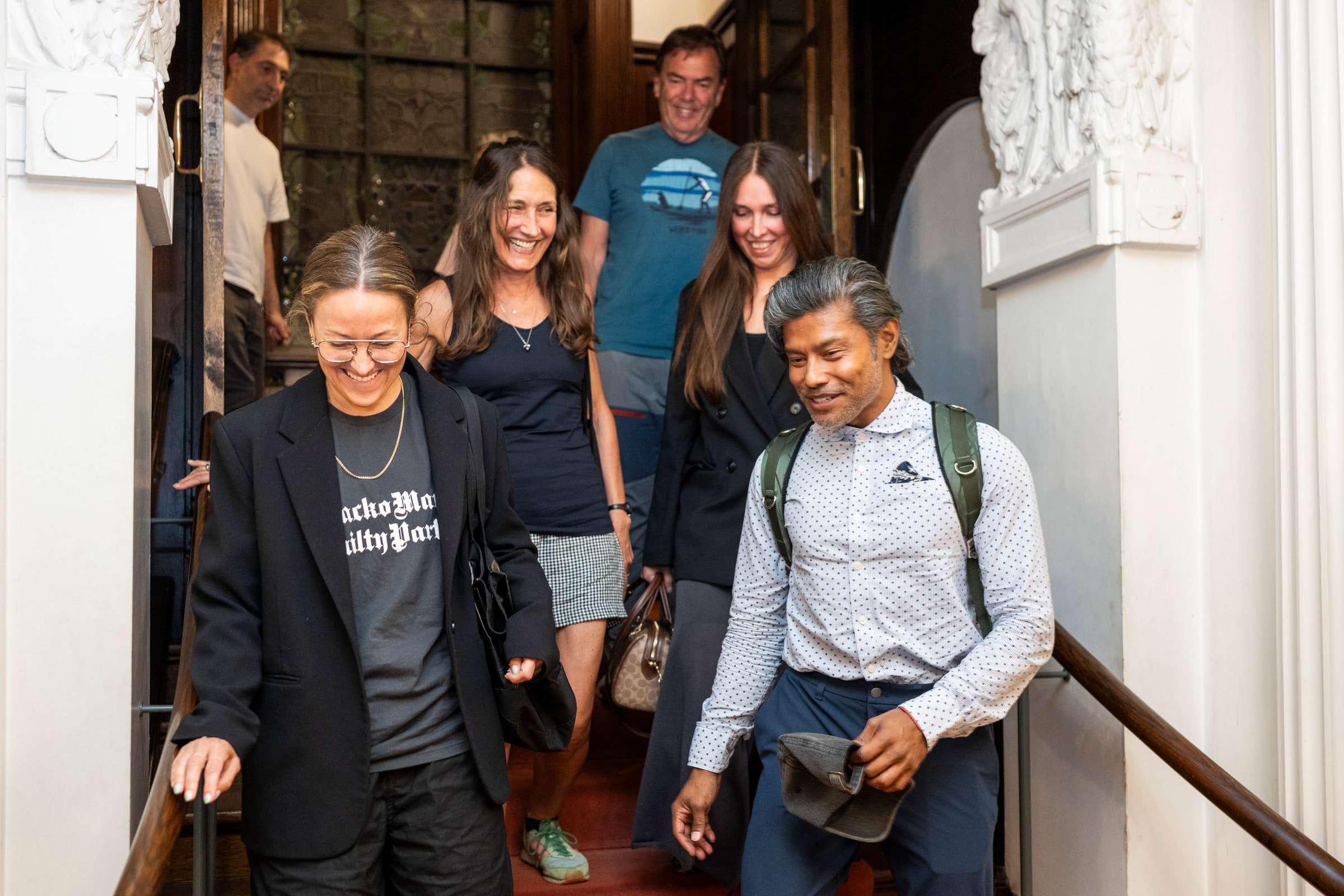
Practise philosophy with philosophers
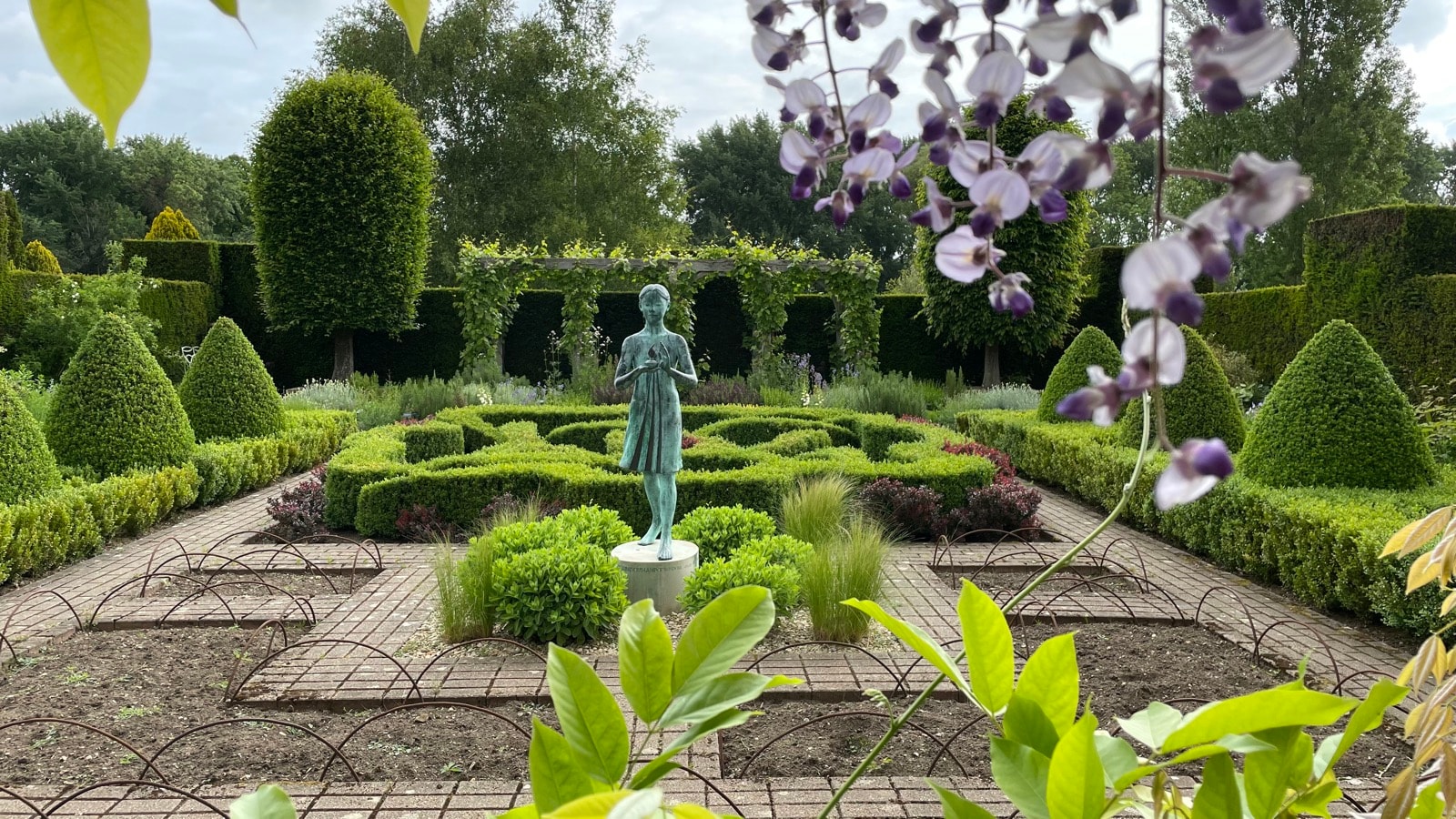
How do we ensure freedom and prosperity for all?
Open evenings, public lectures, and special events. All are welcome.
No events are scheduled at present. New dates appear here as they are confirmed.
Groups, gatherings, and offerings that sit alongside the main programme.
The School Leader on what practical philosophy is for.
Nine decades, three traditions, one sustained enquiry.
he School was founded in London in 1937 as an enquiry into economic justice. Over the decades that followed, its work widened to include the philosophy of Plato and the Stoics, and from 1965, the practice of Advaita Vedanta under Shri Shantananda Sarasvati.
A small London study group has become a community across continents, organised around the same sustained acts: study, practice, and weekly return.
An evening lecture, a language tradition, and a season of residential retreats. Each open in its own time.
An evening of fresh translation.
Each year a scholar presents newly translated work from the Sanskrit tradition to a public audience. In 2026, Warwick Jessup launched Dispassion. All are welcome.
The language behind the philosophy.
Introductory Sanskrit for students on Philosophy courses with no prior knowledge. Those with some knowledge may join the appropriate level of the Foundation Course.
A house, a garden, and time enough.
A programme of residential retreats at Waterperry House in Oxfordshire, Nanpantan Hall in Leicestershire, and Brinscall Hall in Lancashire. Courses in philosophy, the arts, and contemplative practice. Open to those attending for the first time and to returning students.
Mandeville Place is the School's headquarters. Retreats across England continue the School's residential life. A wider network of UK branches and associated Schools overseas carries the work around the world.
The headquarters of the School since 2002.
A Marylebone townhouse a few streets north of Oxford Street. Classrooms, a library, and a small conference hall. Most London courses and public events are held here.
11 Mandeville Place, London W1U 3AJ
Retreats across England continue the School's residential life.
The work continues in locations across the UK, and in associated Schools abroad.